- Home
- »
- CNC Machining
- »
- CNC Milling Services
CNC Milling Services
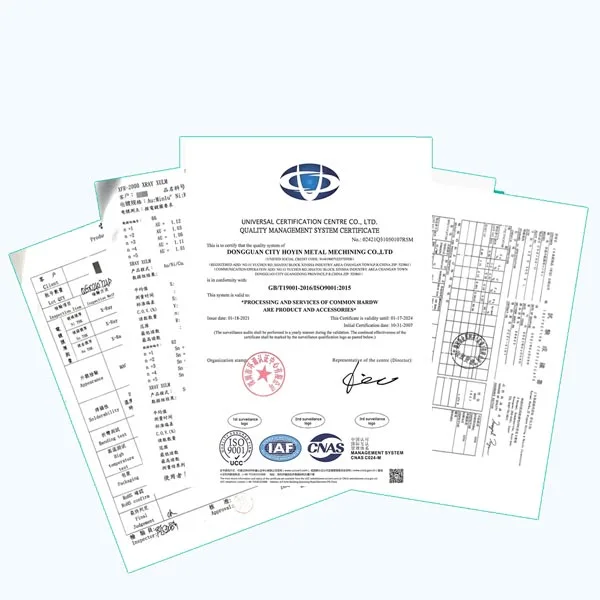
Certifications : ISO 9001:2015 | AS9100D | ITAR Registered
Qualified CNC Milled Parts from reliable manufacturers
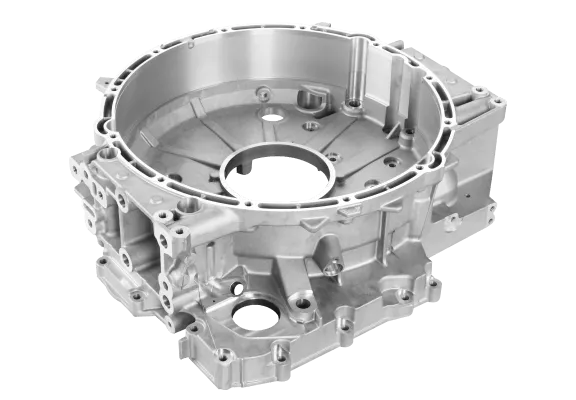
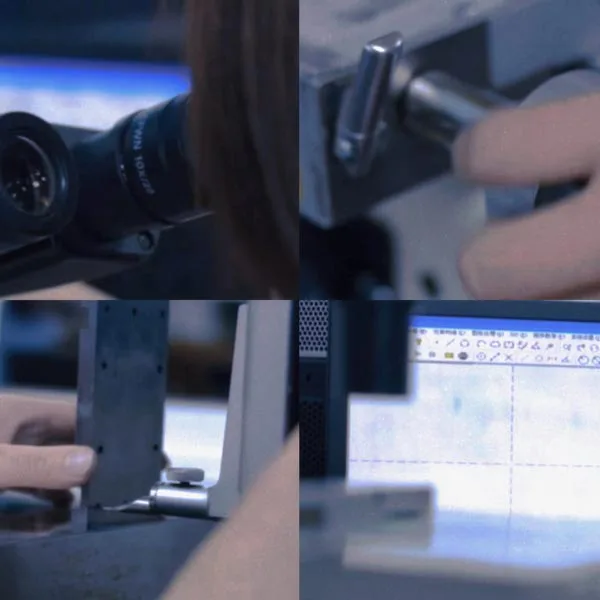
Richconn operates in 15,000 square meters of manufacturing excellence, offering comprehensive services from product design to small batch production. With a team of over 200 skilled employees, including more than 150 experienced CNC technicians, we ensure top-tier precision and quality across all processes. Our facility is equipped with over 100 precision CNC machines, including five-axis, four-axis, and three-axis tools, as well as fully automatic vacuum forming machines, providing multi-functional and high-precision capabilities. Additionally, we utilize 10+ advanced testing instruments to maintain rigorous quality control.
Richconn CNC Milling Capabilities
CNC Milling Tolerances
| Nominal Size | Plastics (ISO 2768-m) | Metals (ISO 2768-f) |
|---|---|---|
| 0.5mm ~ 3mm | ±0.1mm | ±0.05mm |
| > 3mm ~ 6mm | ±0.1mm | ±0.05mm |
| > 6mm ~ 30mm | ±0.2mm | ±0.1mm |
| > 30mm ~ 120mm | ±0.3mm | ±0.15mm |
| > 120mm ~ 400mm | ±0.5mm | ±0.2mm |
| > 400mm ~ 1000mm | ±0.8mm | ±0.3mm |
| > 1000mm ~ 3000mm | ±1.2mm | ±0.5mm |
| > 2000mm ~ 4000mm | ±2mm | – |
CNC Milling Capabilities
| Parameter | Metals | Plastics |
|---|---|---|
| Max. Part Size (L x W x H) | 2300 x 1000 x 650 mm 90.5 x 39.5 x 25.6 in | 2300 x 1000 x 650 mm 90.5 x 39.5 x 25.6 in |
| Min. Feature Size | Ø 0.50 mm Ø 0.019 in | Ø 0.50 mm Ø 0.019 in |
| Typical Tolerances | ±0.01 mm ±0.0004 in | ±0.01 mm ±0.0004 in |
| Surface Finish | Ra 0.8 µm Ra 32 µin | Ra 1.2 µm Ra 47.5 µin |
| Max. Cutting Feed Rate | 20,000 mm/min 785 in/min | 20,000 mm/min 785 in/min |
| Spindle Speed | Up to 20,000 RPM | Up to 20,000 RPM |
| Tool Change Time | 3.3 s | 2.2 s |
| Parameter | Metals | Plastics |
|---|---|---|
| Max. Part Size (L x W x H) | 2100 x 1800 x 500 mm 82.6 x 70.8 x 19.7 in | 2100 x 1800 x 500 mm 82.6 x 70.8 x 19.7 in |
| Min. Feature Size | Ø 0.2 mm Ø 0.008 in | Ø 0.2 mm Ø 0.008 in |
| Typical Tolerances | ±0.01 mm ±0.0004 in | ±0.03 mm ±0.0012 in |
| Surface Finish | Ra 0.8 µm Ra 32 µin | Ra 1.2 µm Ra 47.5 µin |
| Max. Cutting Feed Rate | 30,000 mm/min 1180 in/min | 54,000 mm/min 2126 in/min |
| Spindle Speed | Up to 20,000 RPM | Up to 20,000 RPM |
| Tool Change Time | 3.3 s | 2.2 s |
| Parameter | Metals | Plastics |
|---|---|---|
| Max. Part Size (L x W x H) | 1385 x 1200 x 900 mm 54.53 x 47.24 x 35.43 in | 1385 x 1200 x 900 mm 54.53 x 47.24 x 35.43 in |
| Min. Feature Size | Ø 0.1 mm Ø 0.04 in | Ø 0.1 mm Ø 0.04 in |
| Typical Tolerances | ±0.01 mm ±0.0004 in | ±0.03 mm ±0.0012 in |
| Surface Finish | Ra 0.8 µm Ra 32 µin | Ra 1.2 µm Ra 47.5 µin |
| Max. Cutting Feed Rate | 50,000 mm/min 1968 in/min | 50,000 mm/min 1968 in/min |
| Spindle Speed | Up to 20,000 RPM | Up to 20,000 RPM |
| Tool Change Time | 0.9 s | 0.9 s |
CNC Milling Parts Surface Finishes
Anodizing enhances corrosion resistance and allows for vibrant color finishes on aluminum parts.

Electroplating adds a thin, protective metal coating to improve durability and appearance.

Polishing smooths the surface to achieve a shiny, mirror-like finish for enhanced aesthetics.

Sandblasting or shot blasting processes creates a matte or textured surface by abrasive blasting.

Powder coating provides a durable, colored finish that resists chipping, scratching, and fading.

Black oxide coating adds a uniform black finish while improving corrosion resistance and reducing light reflection.

Passivation cleans and protects stainless steel by removing surface contaminants and improving corrosion resistance.

Laser engraving or marking creates precise, permanent markings or designs on the surface without affecting the part's integrity.

Heat treatment processes can increase the strength and hardness of metals, improving their mechanical properties and durability.

Preserves the original machining appearance, ideal for functional prototypes or applications where surface aesthetics are not a priority.

Material Selection for CNC Milling
At Richconn, we specialize in providing premium CNC milling solutions for plastic, metal, and composite components that are customized to meet your unique requirements. Modern equipment is installed in our facility, and a group of skilled individuals run it, bringing a wealth of knowledge to each job. We handle every step of the manufacturing process, from choosing the best materials to performing precise machining. Regardless of complexity, we make sure every component satisfies the highest quality requirements. Our promise is to deliver creative, tailored solutions that surpass your expectations and help your products succeed in cutthroat marketplaces.
Plastic materials
| Material | Properties | Applications |
|---|---|---|
| ABS | Good impact resistance, toughness, machinability, dimensional stability, easy bonding with adhesives | Prototypes, automotive components, consumer electronics housings, enclosures |
| PC (Polycarbonate) | High impact resistance, good optical clarity, excellent toughness, thermal resistance | Optical components, safety helmets, medical devices, electronic housings |
| PMMA | Excellent optical clarity, good weather resistance, moderate strength, easy to machine and polish | Display cases, signs, lenses, light guides, aquariums |
| PA (Nylon) | High mechanical strength, abrasion resistance, low friction, chemical resistance | Gears, bearings, bushings, wear-resistant components |
| POM (Delrin) | High stiffness, low friction, excellent dimensional stability, good wear resistance | Precision parts, gears, bearings, rollers, automotive components |
| PTFE | Exceptional chemical resistance, low friction, high-temperature resistance, non-stick properties | Seals, gaskets, electrical insulation, chemical processing equipment |
| PVC | Good chemical resistance, high rigidity, flame retardant, easy to machine | Piping, fittings, valves, electrical insulation |
| PE | High impact resistance, low friction, excellent chemical resistance, good wear resistance | Containers, liners, wear strips, marine applications |
| PP (Polypropylene) | Good chemical resistance, high fatigue resistance, low density, moisture resistance | Chemical tanks, automotive components, living hinges, medical devices |
| PEEK | High mechanical strength, excellent chemical resistance, high-temperature performance, good wear resistance | Aerospace components, medical implants, high-performance automotive parts, electrical connectors |
| PU (Polyurethane) | High flexibility, good impact resistance, abrasion resistance, good mechanical properties | Seals, gaskets, wheels, custom molded components |
| Teflon (PTFE) | Extremely low friction, excellent chemical resistance, high-temperature stability, non-stick surface | Seals, gaskets, bearings, non-stick coatings |
Metal materials
| Material | Properties | Applications | Grades |
|---|---|---|---|
| Aluminum | Lightweight, high strength-to-weight ratio, corrosion resistance | Aerospace components, automotive parts, medical devices | 6061, 7075, 2024, 5083 |
| Steel | High strength, durability, wear resistance, low cost | Structural components, machinery parts, automotive components | 1018, 1045, 4140, 4340 |
| Stainless Steel | Corrosion resistance, high strength, heat resistance, aesthetic appearance | Medical devices, food processing equipment, marine parts | 304, 316, 303, 416 |
| Brass | Good machinability, electrical conductivity, corrosion resistance | Fittings, valves, gears, electrical components | C360 (Free-machining), C260 (Cartridge) |
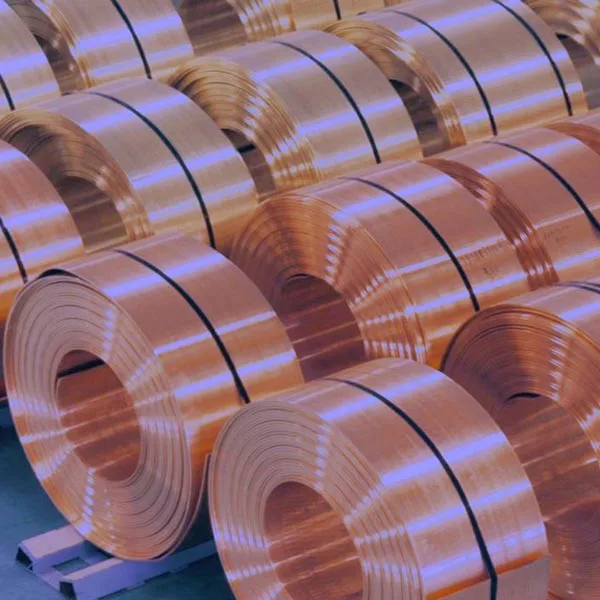
| Copper | Electrical and thermal conductivity, corrosion resistance, ductility | Electrical components, heat exchangers, plumbing fittings | C101 (Oxygen-free), C110 (Electrolytic Tough Pitch) |
| Titanium | Strength-to-weight ratio, corrosion resistance, biocompatibility | Aerospace components, medical implants, high-performance automotive parts | Grade 2 (Commercially Pure), Grade 5 (Ti-6Al-4V) |
| Magnesium | Lightweight, machinability, strength-to-weight ratio, thermal conductivity | Aerospace components, automotive parts, electronic housings | AZ31B, AZ91D |
| Inconel | High strength, oxidation and corrosion resistance, extreme temperature tolerance | Aerospace engines, gas turbines, chemical processing equipment | Inconel 625, Inconel 718 |
| Tool Steel | Hardness, abrasion resistance, cutting edge retention at elevated temperatures | Cutting tools, dies, molds, wear-resistant parts | D2, A2, O1, M2 |
| Nickel Alloys | Strength and toughness, high-temperature resistance, corrosion resistance | Aerospace components, chemical processing, oil and gas industry | Monel 400, Hastelloy C276 |
| Plastic | Lightweight, corrosion resistance, insulator, flexibility | Packaging, consumer goods, automotive interiors | ABS, Polycarbonate, PVC, Nylon |
| Carbon Fiber | Strength-to-weight ratio, stiffness, low thermal expansion | Aerospace components, sporting goods, automotive parts | Standard Modulus, Intermediate Modulus, High Modulus |
| Glass | Transparency, hardness, chemical resistance, thermal insulation | Windows, optical components, laboratory equipment | Borosilicate, Soda-lime, Fused Silica |
| Ceramic | Hardness, wear resistance, thermal stability, electrical insulation | Cutting tools, medical implants, heat shields | Alumina, Zirconia, Silicon Carbide, Silicon Nitride |
| Rubber | Elasticity, impact resistance, weather resistance, electrical insulation | Seals, gaskets, tires, vibration dampening | Natural Rubber, EPDM, Neoprene, Silicone Rubber |
| Composite | High strength, lightweight, customizable properties | Aerospace components, automotive parts, sporting goods | Fiberglass, CFRP, Kevlar |
| Lead | Density, radiation shielding, corrosion resistance, malleability | Radiation shielding, batteries, weights | Pure Lead, Lead-Tin Alloy, Lead-Antimony Alloy |
| Bronze | Corrosion resistance, wear resistance, machinability, appearance | Bearings, bushings, sculptures, marine hardware | C932 (Bearing Bronze), C954 (Aluminum Bronze), C903 (Tin Bronze) |
| Tungsten | High melting point, hardness, density, thermal conductivity | Cutting tools, electrical contacts, filaments | Pure Tungsten, Tungsten Carbide, Tungsten Copper Alloy |
| Zinc | Corrosion resistance, casting properties, low melting point, conductivity | Galvanizing, die casting, batteries, construction materials | Zamak, Zinc-Aluminum Alloy, Pure Zinc |
What is CNC Milling?
CNC milling is a manufacturing process that uses computer-controlled machine tools to remove material from a workpiece to create precise shapes and features. This process involves mounting the raw material on a worktable and using rotary cutting tools that move along multiple axes to cut and shape the material. CNC milling is highly versatile and can produce complex geometries with high precision. It’s commonly used for manufacturing parts in industries like aerospace, automotive, electronics, and medical devices. The ability to program the machine’s movements through software allows for repeatability and efficiency in production runs, making CNC milling a cornerstone in modern manufacturing.
How does a CNC milling machine work?
CNC milling is a process that involves precision and programmed control. It can be broken down into four basic steps:
Step 1: Design the CAD model Engineers use design software such as Autodesk Fusion 360 to create a 3D CAD model of a specific part.
Step 2: Generate instructions for the CNC machine The CAD model is imported into CAM (computer-aided manufacturing) software. Once this step is completed, the software generates a series of digital instructions, known as G-code. These codes instruct the CNC machine on how, where, and how fast it needs to move to create the designed part.
Step 3: Prepare the CNC mill Before you start milling, you need to secure the raw material to the milling machine’s table and use measuring tools or a touch probe to ensure it is positioned correctly. Then, you install the appropriate tool for the material and make all the necessary settings for the machine.
Step 4: Perform the milling operation Once the program is loaded and started, the milling machine’s cutting tool begins to spin at a set speed, gradually removing material to form the final part. The entire process is done automatically, ensuring the parts are accurate and repeatable.
CNC milling, as a widely adopted manufacturing process, offers numerous advantages and some disadvantages, which are important to consider depending on the application:
Advantages of CNC milling
Precision and consistency: CNC milling offers extremely high precision and repeatability, which is essential for demanding industries such as aerospace and medical devices.
Complex shape processing capabilities: Due to its multi-axis operation capabilities, CNC milling machines can produce complex designs and geometries that may be difficult to achieve through traditional manual methods.
Reduced material waste: CNC milling can minimize material waste by precisely controlling the cutting tool and material.
Improved productivity: CNC milling machines can run continuously without frequent human intervention, significantly improving productivity and processing speed.
Flexibility: Designs can be easily changed through software updates and adjustments to G-codes, which makes CNC milling very flexible and adaptable to different production needs.
Disadvantages of CNC milling
High initial investment: The acquisition and installation costs of CNC milling machines and their supporting facilities are high, which may not be economical for small-scale production.
High technical and operational requirements: Operating and maintaining CNC machines requires specialized training and skills, which can increase labor costs.
Maintenance costs and complexity: CNC machine maintenance can be complex and expensive, requiring regular professional inspection and maintenance.
May be overly complex for simple tasks: For simple or low-volume part production, a traditional manual milling machine may be more economical because CNC equipment requires time and resources to set up and run.
CNC milling is a powerful manufacturing technology suitable for applications that require high precision, complex designs, and large-scale production. However, the cost and complexity of this technology also means that it is not suitable for all types of production needs.
5 axis Machining Applications:
Complex Surfaces: Five-axis machining excels in producing complex surfaces, such as freeform shapes, curved contours, and multi-sided parts. The additional rotational axes allow the cutting tool to approach the workpiece from various angles, resulting in smooth and precise surface finishes.
Multi-Angle Machining: With five-axis machining, manufacturers can machine parts from multiple angles without repositioning the workpiece. This capability is particularly useful for machining features on different sides of a part or accessing hard-to-reach areas, reducing setup time and improving efficiency.
Aerospace Components: The aerospace industry often requires intricate and lightweight components with complex geometries. 5-axis CNC service enables the production of aerospace parts like turbine blades, engine components, wing sections, and fuselage structures with high precision and accuracy.
Medical Implants and Prosthetics: 5-axis cnc service is extensively used in the medical field to manufacture intricate implants and prosthetics. 5-axis cnc service allows for the precise machining of complex geometries and patient-specific designs, ensuring a perfect fit and optimal functionality.
Tooling and Molds: 5-axis CNC machining is employed in the production of molds, dies, and tooling for various industries. China 5-axis cnc machining enables the creation of complex cavities, undercuts, and intricate features, resulting in high-quality and accurate tooling solutions.
4-axis CNC Machining Applications:
Complex Contours: 4-axis CNC machining is ideal for creating complex contours on parts, such as curved surfaces, sculpted shapes, and intricate profiles. It allows the cutting tool to approach the workpiece from different angles, resulting in precise and intricate geometries.
Undercuts: With the rotational movement provided by the fourth axis, 4-axis machining can easily produce undercuts. Undercuts are features or cavities that cannot be accessed directly by a cutting tool in a straight line. Industries like aerospace and automotive often require undercuts for components like molds, turbine blades, and impellers.
Spiral or Helical Features: 4-axis machining is well-suited for creating spiral or helical features, including threads, screw threads, and grooves. The rotational movement enables the cutting tool to produce these features with precision and accuracy.
Prototyping: The versatility and flexibility of 4-axis CNC machining make it an excellent choice for rapid prototyping. China 4-axis CNC machining allows for the efficient production of prototypes with complex shapes and contours, enabling designers and engineers to test and refine their designs before mass production.