
In precision manufacturing sectors like aerospace, medical devices, and high-end molding, Edelstahl 15-5PH has become the go-to material for countless critical components, thanks to its unbeatable combination of high strength, excellent toughness, and corrosion resistance. But for machinists, this martensitic precipitation hardening stainless steel can be quite a challenge to work with—think severe work hardening, rapid tool wear, and tricky surface finish control. One small misstep, and you could end up scrapping the entire workpiece.
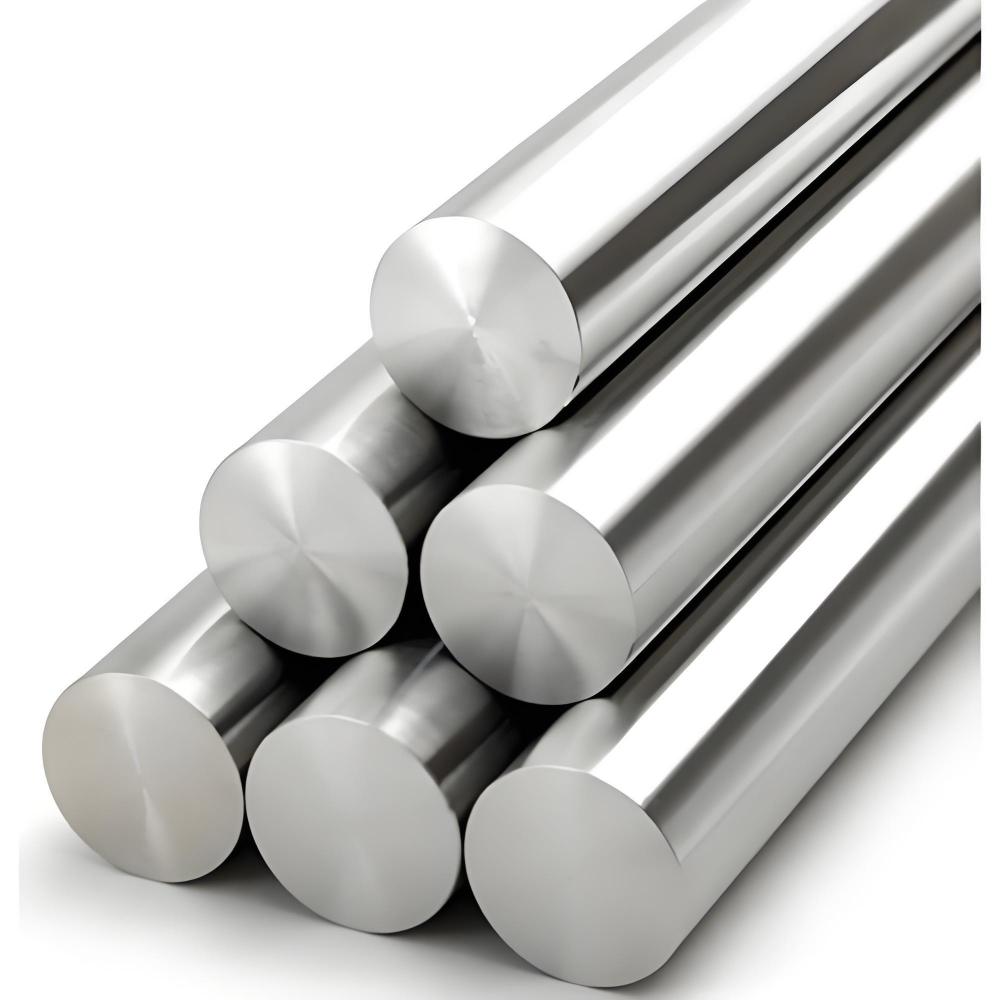
In this guide, we’ll break down 15-5PH from a machinist’s perspective—covering its material properties, machining pain points, core techniques, and real-world applications. Our goal? To help you tackle this high-end material efficiently, boost productivity, and improve yield rates.
Was ist 15-5PH-Edelstahl?
15-5PH (UNS S15500/1.4545) is a martensitic precipitation hardening stainless steel modified from 17-4 Uhr. Its core advantages lie in balanced high strength, excellent toughness, and corrosion resistance, making it a staple in high-end manufacturing. Below is a detailed breakdown by chemical composition, physical properties, and mechanical properties:
1. Chemische Zusammensetzung
15-5PH’s composition is optimized for enhanced toughness and weldability, with key elements (and their roles) as follows:
| Element | Inhaltsbereich | Hauptfunktion |
| Chrom (Cr) | 14.0-15.5 % | Forms a passive film to ensure corrosion resistance |
| Nickel (Ni) | 3.5-5.5 % | Stabilizes austenite structure and improves overall toughness |
| Kupfer (Cu) | 2.5-4.5 % | Precipitates ε-Cu phase during aging to achieve precipitation hardening |
| Niob (Nb) + Tantal (Ta) | 0.15-0.45 % | Refines grain size and prevents austenite grain growth |
| Kohlenstoff (C) | ≤0.07% | Low-carbon design reduces carbide precipitation, enhancing toughness and weldability |
| Mangan (Mn) | ≤1.00% | Deoxidizes and improves hot working performance |
| Silizium (Si) | ≤1.00% | Deoxidizes and boosts basic strength |
| Phosphorus (P) / Sulfur (S) | ≤0.04 % / ≤0.03 % | Controlled as impurities to avoid brittleness |
2.Physikalische Eigenschaften
Its physical characteristics are closely linked to its crystalline structure and composition:
- Aussehen: Milky white, semi-transparent or opaque solid
- Signaldichte: ~7.85 g/cm³ (typical for stainless steels)
- Schmelzpunkt: 1415-1450 ° C
- Wärmeleitfähigkeit: Low (≈15 W/(m·K) at 20°C), leading to heat accumulation during machining
- Wärmeausdehnungskoeffizient: 11.2 × 10⁻⁶ /°C (20-100°C)
- Magnetismus: Ferromagnetic (characteristic of martensitic stainless steels)
- Hitzebeständigkeit: Continuous service temperature up to 316°C (600°F); heat deflection temperature (HDT) ranges from 70-80°C (unfilled) to 240-260°C (with fiber reinforcement, 1.8MPa)
3.Mechanische Eigenschaften
15-5PH’s mechanical performance is highly customizable via aging heat treatment (post-solution annealing). Below are typical properties for three common aging states:
| Immobilien | H900 (482°C Aging) | H1025 (552°C Aging) | H1150 (621°C Aging) | Einheit |
| Streckgrenze (Rp0.2) | ≥1170 | ≥1000 | ≥860 | MPa |
| Zugfestigkeit (Rm) | ≥1310 | ≥1140 | ≥965 | MPa |
| Dehnung (A5) | ≥10 | ≥12 | ≥15 | % |
| Flächenreduktion (Z) | ≥35 | ≥40 | ≥45 | % |
| Härte (HRC) | 40 bis 45 | 35 bis 40 | 30 bis 35 | - |
| Charpy V-Notch Impact Toughness | ≥35 | ≥50 | ≥70 | J/cm² |
4.Key Mechanical Traits:
- High strength (2-3 times that of 304 stainless steel) with adjustable rigidity via heat treatment.
- Excellent transverse toughness (superior to 17-4PH) due to low delta ferrite content, ensuring uniform performance in all directions.
- Good wear resistance and fatigue resistance, suitable for high-load and dynamic stress applications.
Understanding 15-5PH: Why It’s a Top Choice for High-End Manufacturing
15-5PH (UNS S15500/1.4545) is a modified version of 17-4PH, a martensitic precipitation hardening stainless steel. By optimizing its composition to reduce delta ferrite content, it boasts superior transverse toughness and isotropic properties—setting it apart from standard stainless steels.
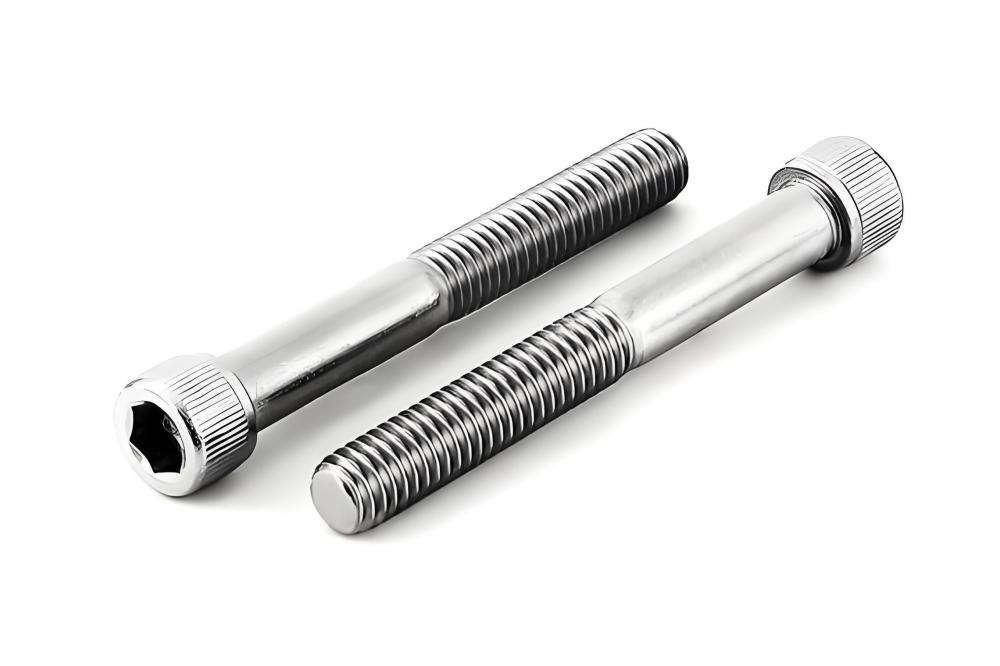
From a machining perspective, its key characteristics boil down to three main points:
- Anpassbare Stärke: Through different aging treatments (H900/H1025/H1150), its tensile strength can be adjusted between 860-1310 MPa, with corresponding hardness ranging from HRC 30-45—making it adaptable for parts under varying load requirements;
- Hervorragende Korrosionsbeständigkeit: Containing 14-15.5% chromium, it offers corrosion resistance comparable to 304 stainless steel, standing up to atmospheric conditions, fresh water, mild acids/bases, and chloride environments—ideal for harsh operating conditions;
- Hervorragende Schweißbarkeit: Its low-carbon, high-purity composition minimizes weld defects. Post-welding, it can regain its properties through aging treatment, making it suitable for welded structural components.
That said, 15-5PH is classified as a difficult-to-machine material. Especially after aging hardening, its hardness and strength increase drastically, posing significant challenges for cutting operations.
4 Core Challenges in 15-5PH Machining (Have You Faced These?)
When first working with 15-5PH, many fellow machinists have run into issues like rapid tool wear, poor surface finish, and workpiece deformation. These problems stem from four key “property pitfalls” of the material:
- Severe Work Härten: 15-5PH’s martensitic structure has good ductility, so a hardened layer forms quickly on the surface during cutting—with hardness more than double that of the base material. Subsequent cutting then feels like machining a “high-hardness material,” leading to a sudden surge in cutting force and rapid tool wear;
- Excessive Cutting Heat Buildup: The material has low thermal conductivity, meaning most of the heat generated during cutting can’t dissipate easily. It accumulates at the tool edge and workpiece surface, not only accelerating tool wear but also causing thermal deformation of the workpiece;
- Difficult Chip Breaking: Its ductile nature makes chips prone to wrapping around the tool and workpiece, causing secondary friction that scratches the machined surface and degrades surface finish;
- Deformation of Thin-Walled Parts: For complex structures like deep cavities and thin-walled components, cutting deformation and residual stress in 15-5PH can lead to “shrinking” or “tool deflection,” making it hard to ensure dimensional accuracy.
6 Key Tips to Master 15-5PH Machining
To address these challenges, we’ve compiled a set of proven machining strategies based on industry practices and authoritative research—optimizing from tool selection, parameters, processes, and other dimensions:
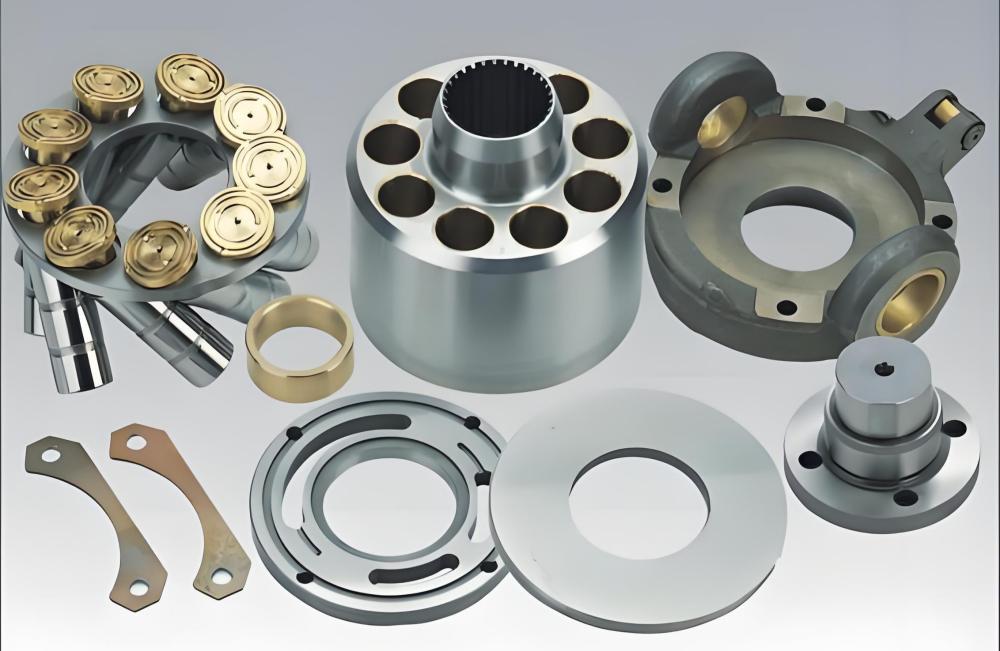
1. Tool Selection: Choose the Right “Weapon” First
Prioritize carbide or coated carbide tools—avoid high-speed steel (HSS), as its service life is too short:
- Turning/Milling: Recommend TiAlN-coated carbide tools or YG8/YT15 carbide. The coating enhances wear resistance and lubricity, reducing tool sticking;
- Drilling: Prioritize double-edged carbide drills (e.g., Kyocera SGS Series 135). Their double-flute design improves rigidity and reduces drilling deviation. In practice, they can machine up to 75 times more parts than standard drills, significantly lowering tool costs;
- Tool Angles: For finish turning, use a rake angle of 10°-12° to balance sharpness and rigidity; choose end mills with a large helix angle (35°-45°) to facilitate chip evacuation and heat dissipation.
2. Cutting Parameter Optimization: Precision Speed Control to Reduce Hardening
The core principle for cutting parameters is “medium-low speed, light feed, and reasonable depth of cut.” Recommended parameters for different machining methods are as follows:
| Bearbeitungsmethode | Schnittgeschwindigkeit (m/min) | Vorschubgeschwindigkeit (mm/U) | Schnitttiefe (mm) | Notizen |
| Turning (Solution Annealed) | 40 bis 60 | 0.05 bis 0.2 | 1 bis 3 | Reduce speed by 20% for aged material |
| Hochgeschwindigkeitsfräsen | 100 | 0.02 (per tooth) | Axial: 1.5 / Radial: 0.4 | Optimized to reduce cutting force and improve surface finish |
| Bohren | 30 bis 50 | 0.1 bis 0.15 | Wie benötigt | Use peck drilling to evacuate chips promptly |
Note: Excessively high cutting speed will exacerbate work hardening, while too low a speed reduces efficiency. A feed rate that’s too high can degrade surface finish, and one that’s too low increases tool wear.
3. Cooling and Lubrication: Adequate Heat Dissipation to Avoid Tool Sticking
Always use sufficient cooling and lubricating fluid—preferably a 5% concentration emulsion or specialized stainless steel cutting fluid. Adopt high-pressure cooling to deliver the fluid precisely to the cutting edge and workpiece interface:
- Function: It not only dissipates heat but also reduces friction between the tool, chips, and workpiece, inhibits work hardening, and prevents chip wrapping;
- Caution: Dry cutting or insufficient cooling will reduce tool life by more than 50% and compromise workpiece surface quality.
4. Heat Treatment Timing: Machine First, Age Later to Reduce Difficulty
The difficulty of machining 15-5PH is closely related to its Wärmebehandlung state. We recommend the process of “machining in solution-annealed state + subsequent aging”:
- Solution Annealed State: Low hardness (HB ≤ 220) and good machinability. Most roughing and finishing can be completed at this stage, with a small amount of stock left for final processing;
- Aging Treatment: After machining, perform aging (482-621°C, holding time 1-4 hours) to achieve the final strength and hardness;
- Note: If you must machine aged material, significantly reduce the cutting speed and feed rate, and use more wear-resistant tools.
5. Clamping and Fixturing: Minimize Deformation to Ensure Accuracy
For deformable parts like thin-walled and deep-cavity components, clamping method is crucial:
- Adoptieren Flexible Klemmung: Use soft jaws, rubber pads, etc., to avoid workpiece deformation caused by excessive clamping force;
- Enhance Tool Rigidity: When machining deep-cavity or long-overhang parts, use short-edge tools or add guide sleeves to reduce tool deflection and vibration;
- Arrange Machining Sequence Reasonably: First perform roughing to remove most of the stock and release residual stress, then proceed to finishing.
6. Surface Treatment: Enhance Performance for High-End Requirements
Nach der Bearbeitung, Oberflächenbehandlung can be performed as needed:
- Passivation Treatment: Use nitric acid or citric acid passivation solution to improve corrosion resistance;
- Polishing Treatment: Achieve a surface roughness of Ra ≤ 0.8μm, suitable for precision molds, medical devices, and other fields;
- Coating Treatment: For special working conditions, PVD coating can be applied to enhance wear resistance.
Typical Applications of 15-5PH: Identify Lucrative Business Opportunities
Mastering 15-5PH machining skills is only half the battle—you also need to know which industries demand 15-5PH parts to target the right opportunities:
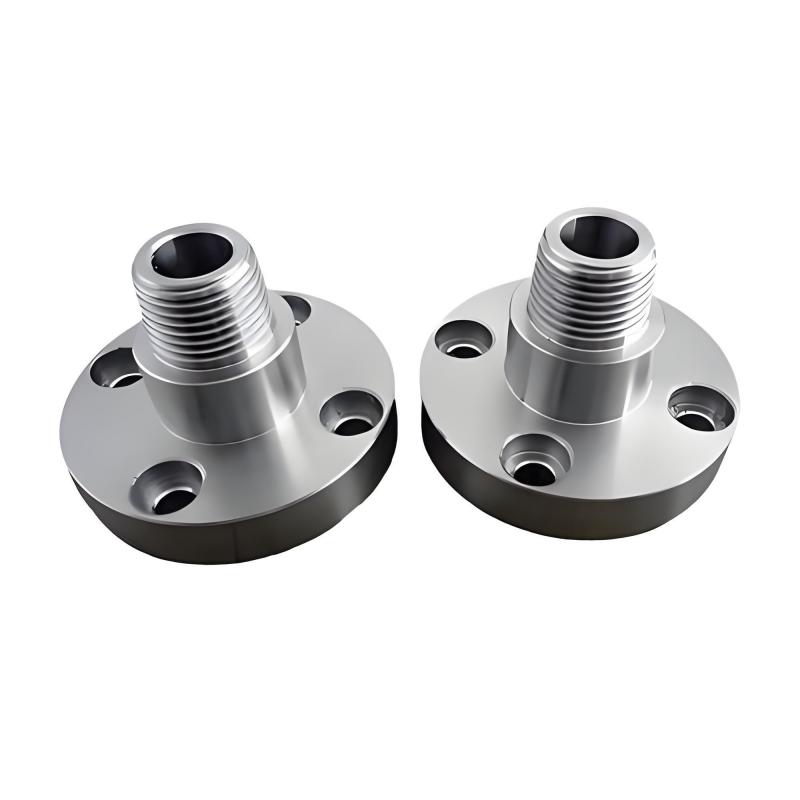
- Luft- und Raumfahrt: Aircraft landing gear components, wing joints, engine brackets, and high-strength fasteners—requiring high material strength and fatigue resistance;
- Medizintechnik: Surgical implants and instruments—needing biocompatibility and corrosion resistance;
- Präzision Formen: High-precision injection molds and hot runner system parts—demanding excellent dimensional stability and wear resistance;
- Petrochemical & Marine Engineering: Wellhead equipment, high-pressure valves, and offshore platform structural components—resisting corrosive media;
- Hochwertige Automobile: Racing chassis components and high-performance engine parts—balancing strength and lightweight requirements.
Fazit:
While 15-5PH is challenging to machine, you can tackle it efficiently by mastering the four core principles: choosing the right tools, optimizing parameters, ensuring adequate cooling, and arranging heat treatment reasonably. This material is widely used in high-end manufacturing, offering high processing added value. Mastering its machining technology can help you expand into more high-end clientele.
If your workshop is currently machining 15-5PH and you’re facing issues like rapid tool wear, workpiece deformation, or poor surface finish, feel free to leave a comment below to share your experience! We can also provide customized machining process solutions based on your specific part type (e.g., thin-walled parts, deep-cavity parts, fasteners).
At Richconn-CNC, we specialize in high-end stainless steel machining with extensive experience in 15-5PH processing. We can undertake custom precision part orders for aerospace, medical devices, and other industries, with a professional technical team overseeing quality control throughout the process. If you need a tailored machining solution or a quote, don’t hesitate to contact us anytime!